
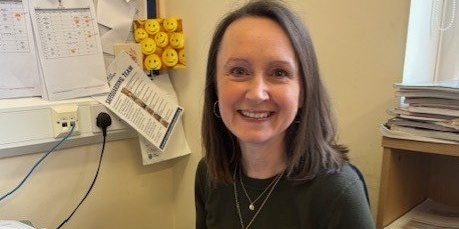
60 Seconds with Mrs Edwards, Teacher in Charge of History
Tell us a bit about yourself...
I’ve seen a lot of changes since I first started teaching twenty-five years ago. From the chalk blackboards of my first History teaching role at St Thomas More School in Wood Green to the introduction of interactive whiteboards during my time as Head of Humanities at Hayes School in Bromley. Change is something you can always rely on in the teaching profession, but what has remained consistent is my love of teaching History.
What do you enjoy most about teaching?
My favourite thing about teaching History is helping students make connections between the past and present and watching them have that lightbulb moment. Whether it be the realisation that recent events like the Bondi Beach attacks, have roots in the anti-Semitism that has existed since Roman times, or recognising similarities between the rise of the Nazis in the 1930s and the growth of populist movements today.
What top advice would you give to students studying your subject?
My top tip for students would be to be curious and always ask questions. Whether that be to clarify your understanding, to query the validity of a source or to consider what was happening in a different part of the world. Communication skills are key and highly valued in the world of work. They also help you develop strong relations with your teachers and peers, whilst also progressing the understanding of the whole class. Discovering History beyond the four walls of the classroom is often a highlight of the academic year. Year 7 love their trip to the Tower of London where they follow in the footsteps of English monarchs, prisoners and even a jewel-thief as they explore the stories of the Tower in the places where history happened. The current Year 8 will be going to Ypres in October 2026 to experience the living conditions in the trenches and then learn more about the personal experiences of soldiers who lost their lives in World War One. They will of course also get to experience the delights of Belgium chocolate shops and waffles. Encouraging empathy with the situations that people faced in the past is one of the key aims of the department. We have previously invited Holocaust survivors into school to talk to students about their experiences. However, as the door gradually closes on this possibility, we are now taking the current Years 9 and 10 to Trinity Theatre in June to watch a performance called ‘Kindness’ by Voices from the Holocaust. Kindness is a play based on the testimony of Auschwitz survivor Susan Pollack who was sent to the camp aged only thirteen. After watching the play, students take part in a Q&A session to encourage them to empathise with the predicaments that people found themselves in in one of the darkest periods of History.
What are the department highlights and upcoming events?
We have high aspirations for all our students in the History department. As part of the Global Citizenship Diploma, Year 9 are in the process of writing an essay on the significance of the Holocaust. This requires them to use the five Rs (resulted in change, resonates, reveals, remembered by all and remarked upon by many) to assess the significance of the Holocaust. One paragraph for example, will require students to explain how the Holocaust not only reveals the very worst of human behaviour through the actions of the perpetrators and bystanders, but also the very best through acts of rescue and resistance.